
Introduction
Global warming 2026 Sample Page is one of the most serious environmental issues facing the world today. It refers to the gradual increase in the Earth’s average temperature due to the excessive emission of greenhouse gases such as carbon dioxide, methane, and nitrous oxide. These gases trap heat in the atmosphere and cause the planet to warm up over time.
global warming increasing day by day
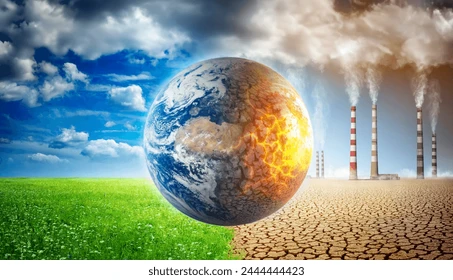
global warming
In recent decades, global warming has become a major concern for scientists, governments, and environmental organizations. Rising temperatures are affecting weather patterns, melting glaciers, and increasing sea levels. The impact of global warming can be seen in many parts of the world through extreme weather events such as floods, droughts, heatwaves, and storms.
Today, global warming is not just an environmental issue but also a social and economic challenge. If proper action is not taken, it could have serious consequences for future generations. Understanding the causes and effects of global warming is the first step toward finding solutions to this global problem.
1 Causes of Global Warming 2026
Global warming 2026 is mainly caused by human activities that release greenhouse gases into the atmosphere. Over the years, industrial development, urbanization, and increased energy consumption have contributed significantly to this issue.
*Burning of Fossil Fuels
One of the major causes of global warming 2026 is the burning of fossil fuels such as coal, oil, and natural gas. These fuels are used for electricity generation, transportation, and industrial activities. When fossil fuels are burned, they release large amounts of carbon dioxide into the atmosphere, which contributes to the greenhouse effect.https://burningfossils
*Deforestation
Deforestation is another important factor contributing to global warming 2026. Trees absorb carbon dioxide and help maintain the balance of gases in the atmosphere. However, large areas of forests are being cut down for agriculture, construction, and industrial purposes.
When trees are removed, the stored carbon is released into the atmosphere, increasing greenhouse gas levels and accelerating global warming.
*Industrial Activities
Industries release various gases and pollutants during manufacturing processes. Factories, power plants, and chemical industries produce large amounts of emissions that contribute to climate change.
Rapid industrialization in many parts of the world has increased the level of greenhouse gases in the atmosphere.
*Agriculture and Livestock
Agricultural activities also contribute to global warming 2026. Livestock farming produces methane gas, which is a powerful greenhouse gas. The use of fertilizers and pesticides in farming can also release harmful gases into the atmosphere.
Effects of Global Warming 2026
Global warming 2026 has many negative effects on the environment, wildlife, and human life. The increasing temperature of the Earth is already causing noticeable changes in the natural world.
Rising Temperatures
One of the most obvious effects of global warming 2026 is the increase in global temperatures. Many regions are experiencing hotter summers and longer heatwaves. Rising temperatures can affect agriculture, water supply, and human health.
Melting Glaciers and Ice Caps
The warming climate is causing glaciers and polar ice caps to melt at a faster rate. This melting contributes to rising sea levels and threatens coastal communities around the world.
If glaciers continue to melt, many cities and islands located near coastlines could face serious flooding risks.
Extreme Weather Events
Global warming is linked to an increase in extreme weather events such as hurricanes, storms, floods, and droughts. Changes in climate patterns make weather conditions more unpredictable and severe.
These extreme events can damage infrastructure, destroy crops, and cause economic losses.
Impact on Wildlife
Animals and plants are also affected by global warming. Many species depend on specific climate conditions to survive. As temperatures rise, their natural habitats may change or disappear.
Some species may struggle to adapt to these changes, leading to a decline in biodiversity.
Global Warming and Human Life
Global warming does not only affect nature; it also has a direct impact on human society. Rising temperatures can affect food production, water availability, and public health.
For example, heatwaves can cause health problems such as dehydration and heatstroke. Changes in climate may also lead to the spread of diseases carried by insects like mosquitoes.
Farmers may face difficulties due to unpredictable rainfall and drought conditions, which can reduce crop yields and threaten food security.
Solutions to Reduce Global Warming
Although global warming is a serious issue, there are several steps that individuals, communities, and governments can take to reduce its impact.
Use of Renewable Energy
One of the most effective solutions is to replace fossil fuels with renewable energy sources such as solar, wind, and hydroelectric power. These energy sources produce little or no greenhouse gas emissions.
Tree Plantation
Planting more trees can help absorb carbon dioxide from the atmosphere and improve air quality. Forest conservation and reforestation programs are essential in the fight against global warming.
Energy Conservation
Reducing energy consumption can also help lower greenhouse gas emissions. Simple actions such as using energy-efficient appliances, switching off unused lights, and using public transportation can make a difference.
Sustainable Lifestyle
Adopting sustainable practices such as recycling, reducing waste, and using eco-friendly products can help protect the environment.
Individuals can also support businesses and policies that promote environmental sustainability.
Global Efforts to Combat Climate Change
Many countries around the world are working together to address global warming through international agreements and environmental policies.
Governments are setting targets to reduce greenhouse gas emissions and promote renewable energy. Environmental organizations and activists are also raising awareness about the importance of protecting the planet.
Public awareness campaigns encourage people to take small but meaningful actions that contribute to environmental protection.
Conclusion
Global warming is one of the greatest challenges facing humanity today. It affects the environment, wildlife, and human life in many ways. Rising temperatures, melting glaciers, and extreme weather events are clear signs that climate change is a serious issue.
However, by taking responsible actions and adopting sustainable practices, it is possible to reduce the impact of global warming. Governments, businesses, and individuals must work together to protect the environment and ensure a healthier planet for future generations.
The fight against global warming requires commitment, awareness, and cooperation from people around the world. By making environmentally conscious choices today, we can help create a safer and more sustainable future.