
Introduction
The Iran Israel war has become one of the most significant geopolitical conflicts in the modern Middle East. Tensions between the two nations Iran Israel have existed for decades, but the situation escalated dramatically in February 2026, when large-scale military strikes triggered an open conflict. The war has involved missile attacks, cyber warfare, and disruptions to global trade routes, raising concerns about a wider regional war and its global consequences. Learn about the Iran–Israel war, its causes, major events, and global impact. Discover how the Middle East conflict is affecting oil prices, politics, and international security.
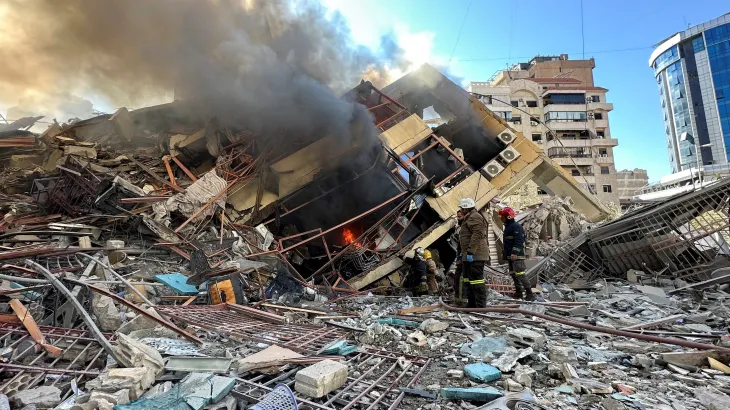
This article explores the causes of the Iran Israel war, its impact on global politics and the economy, and what the future may hold.
Background of the Iran–Israel Conflict
The hostility between Iran and Israel dates back to the 1979 Iranian Revolution, after which Iran stopped recognizing Israel and began supporting groups opposed to it. Over the years, both countries engaged in a “shadow war” involving cyberattacks, intelligence operations, and proxy conflicts across the Middle East because of Iran Israel war.
In the 2020s, tensions increased due to disputes over Iran’s nuclear program, regional influence, and support for militant groups such as Hezbollah and Hamas. These issues created a fragile environment where a direct confrontation became increasingly likely.
The conflict escalated into a full war in February 2026, when Israel and the United States launched coordinated airstrikes on multiple Iranian cities, targeting military infrastructure and government facilities. The strikes reportedly killed senior Iranian leaders and triggered large-scale retaliation from Iran.
Causes of the Iran–Israel War
1. Iran’s Nuclear Program
One of the major reasons behind the conflict is Iran’s nuclear ambitions. Israel has long claimed that Iran is developing nuclear weapons that could threaten its existence. Iran, however, insists that its nuclear program is intended only for peaceful purposes.
Fear of a nuclear-armed Iran has pushed Israel to take preventive actions, including sabotage operations and targeted attacks on Iranian nuclear facilities.
2. Regional Power Struggle
Both Iran and Israel seek influence in the Middle East. Iran supports groups such as Hezbollah in Lebanon and militias in Syria and Iraq, while Israel views these groups as threats to its national security.
This competition for regional dominance has fueled years of indirect conflict, eventually escalating into direct military confrontation.
3. Military Escalation and Retaliation
The immediate trigger for the war was the joint U.S.–Israeli airstrikes on Iranian targets in February 2026. In response, Iran launched hundreds of drones and ballistic missiles against Israel and U.S. bases across the region.
This exchange of attacks quickly turned the conflict into a broader war affecting several countries in the Middle East.
Major Events During the War
Airstrikes and Missile Attacks
Israeli airstrikes targeted oil depots, refineries, and military facilities in Tehran, creating massive fires and toxic smoke clouds over the city.
Iran responded with missile and drone attacks on Israeli territory and on U.S. military bases in Gulf countries, escalating tensions across the region.
Cyber Warfare
Cyber warfare has become a major battlefield in this conflict. Cyber operations disrupted Iranian communication systems and government networks, while pro-Iran groups attempted cyberattacks on Israeli infrastructure and international institutions.
These digital attacks show how modern wars extend beyond physical battlefields.
Regional Escalation
The conflict also affected other countries in the Middle East. Iran launched attacks on U.S. allied nations hosting military bases, while clashes between Israel and Hezbollah intensified along the Lebanon border.
As a result, the Iran Israel war has turned into a regional security crisis rather than a conflict between just two countries.
Economic Impact of the Iran–Israel War
Rising Oil Prices
One of the biggest global consequences of the Iran Israel war is the disruption of energy supply. The Strait of Hormuz, a crucial route for oil shipments, was affected by the conflict, leading to a sharp increase in oil prices worldwide.
Brent crude oil prices surged from about $70 to over $110 per barrel, raising fears of global inflation.
Disruption of Global Trade and Aviation
The war has also disrupted international air travel and shipping routes. Thousands of flights were cancelled or rerouted due to security concerns and closed airspace in the Middle East.
These disruptions have affected tourism, trade, and global supply chains.
Impact on Global Markets
Financial markets reacted quickly to the crisis. Stock markets in several countries experienced volatility, and businesses worldwide faced uncertainty due to rising energy costs and geopolitical instability.
Humanitarian Consequences
Wars always bring severe humanitarian consequences. The Iran Israel conflict has caused civilian casualties, infrastructure damage, and environmental hazards. Bombing of industrial and fuel facilities has created toxic smoke and pollution in urban areas, posing serious health risks to residents.
Additionally, arrests, internal political tensions, and restrictions on communication have been reported in Iran during the conflict.
Global Political Implications
Risk of Wider War
Many experts fear that the Iran–Israel war could expand into a broader regional or even global conflict if more countries become involved.
Shift in Alliances
The conflict may reshape global alliances. Countries in the Middle East, Europe, and Asia are reassessing their diplomatic strategies and security policies in response to the crisis.
Impact on International Security
The war has raised concerns about nuclear proliferation, cyber warfare, and the stability of global energy markets. These issues could influence international relations for years to come.
Future Outlook
The future of the Iran–Israel war remains uncertain. Possible scenarios include:
- Diplomatic negotiations and ceasefire
- Prolonged regional conflict
- Expansion involving additional global powers
In pictures: War in the Middle East after US-Israel strikes on Iran
The international community, including the United Nations and major world powers, is pushing for diplomatic solutions to prevent further escalation.
Role of International Organizations
International organizations such as the United Nations have been actively trying to reduce tensions between Iran and Israel. The UN Security Council has held multiple emergency meetings to discuss the escalation and its consequences for global peace and security. Many countries have urged both sides to avoid further military actions and instead move toward diplomatic negotiations.
Humanitarian agencies connected with the United Nations are also monitoring the situation closely, as wars often lead to large-scale humanitarian crises, including displacement of civilians, shortages of food and medicine, and damage to infrastructure.
Impact on Middle Eastern Stability
The Iran–Israel war has created instability across the entire Middle East. Countries such as Lebanon, Syria, and Iraq are indirectly affected because of their strategic location and political alliances. Militias and armed groups in these regions sometimes become involved, which increases the risk of a wider regional war.
The conflict has also raised concerns among Gulf countries, including Saudi Arabia and United Arab Emirates, which depend heavily on stable trade routes and oil exports. Any disruption in the region can affect their economies and security.
Influence on Global Energy Markets
The Middle East plays a crucial role in global energy supply, particularly oil and natural gas. Because Iran is located near the strategically important Strait of Hormuz, tensions in the region can disrupt the transportation of oil shipments. A large portion of the world’s oil passes through this narrow waterway.
When conflicts threaten this route, global oil prices tend to rise rapidly. Higher oil prices can increase transportation costs, raise fuel prices for consumers, and contribute to inflation in many countries. As a result, even nations far from the Middle East can feel the economic effects of the Iran–Israel war.
Role of Major Global Powers
Global powers have also played a role in shaping the conflict. The United States has traditionally been a strong ally of Israel, providing military and diplomatic support. On the other hand, Iran has maintained strategic relationships with several regional and international partners.
These alliances make the conflict more complex because actions taken by one country can influence the response of others. Diplomacy between global powers is therefore essential to prevent the situation from escalating into a larger international conflict.
Media and Information Warfare
Another important aspect of modern warfare is the battle for information. Both sides use media channels, social media platforms, and public statements to influence global opinion. Governments attempt to present their perspective of the conflict and gain international support.
At the same time, misinformation and propaganda can spread quickly online, making it difficult for people to understand the true situation. This highlights the importance of reliable journalism and verified information during international crises.
Possibility of Peace and Diplomacy
Despite the intensity of the conflict, diplomatic solutions are still possible. Many countries and international organizations are encouraging negotiations, ceasefire agreements, and diplomatic dialogue. Peace talks often involve mediators who attempt to bring both sides to the negotiation table.
If successful, diplomacy could reduce tensions, prevent further loss of life, and restore stability in the region. However, achieving lasting peace will require addressing the underlying issues that have fueled the Iran–Israel conflict for decades.
Final Thoughts
The Iran–Israel war is more than a regional conflict—it is a geopolitical issue with worldwide implications. From rising energy prices to shifting global alliances, the effects of the war extend far beyond the Middle East. Understanding the causes, developments, and possible outcomes of this conflict is essential for anyone interested in global politics and international relations.
While the future remains uncertain, many experts believe that diplomacy and international cooperation will be crucial in preventing further escalation and ensuring long-term peace in the region.
Conclusion
The Iran Israel war is not just a regional conflict but a crisis with global implications. It highlights the dangers of geopolitical rivalry, nuclear tensions, and modern warfare involving cyber operations and economic disruption.
As the conflict continues, its effects are being felt worldwide—from rising fuel prices to geopolitical uncertainty. The outcome of this war will likely shape the future of the Middle East and international politics for many years to come.
keep visiting our blog for more intresting stuff liike this